Carbon-neutral homes are changing the meaning of premium real estate in India. In GIFT City, the idea of luxury is shifting from visual luxury to intelligent, future-ready living. Developments like Nila Spaces Prana bring together wellness, sustainability, and financial foresight in a single offering. As demand for carbon-neutral luxury homes in India rises, buyers are looking beyond aesthetics toward improved […]
BLOGS
The Future of Power Living: Why Carbon-Neutrality is the Modern Benchmark for Luxury in GIFT City
Carbon-neutral homes are changing the meaning of premium real estate in India. In GIFT City, the idea of luxury is shifting from visual luxury to intelligent, future-ready living. Developments like Nila Spaces Prana bring together wellness, sustainability, and financial foresight in a single offering. As demand for carbon-neutral luxury homes in India rises, buyers are looking beyond aesthetics toward improved efficiency, longevity, and alignment with global standards. In sustainable real estate 2026, value is measured as much by environmental performance as by location. This is where GIFT City stands apart.
What is “Power Living” in the Context of GIFT City?
Power Living GIFT City shows a deeper evolution in how homes are designed and valued. It is rooted in the idea that a home should actively contribute to both individual well-being and financial progress.
GIFT City itself is built as a fully planned financial network. With over 1,000 registered entities and significant global capital flowing through it, it is no longer an emerging zone. It is operational, active, and expanding. This creates a unique residential demand. One that is driven by global professionals, institutional presence, and long-term infrastructure.
In this environment, Power Living means living within proximity to opportunity. It means reduced commutes, integrated infrastructure, and a home that works as efficiently as the surrounding city. It also implies choosing spaces designed for the future. Homes that are energy-efficient, wellness-focused, and aligned with global sustainability benchmarks.
The shift is subtle but powerful. Luxury is moving from display to design intelligence.
How Prana Achieves Carbon-Neutral Luxury
Nila Spaces Prana translates the idea of carbon-neutral luxury homes India into a physical reality. It is built on globally recognised frameworks such as EDGE Certified buildings India, supported by the IFC (World Bank Group). The approach is layered, yet seamless in execution.
Energy efficiency begins at the design stage. The building orientation allows maximum daylight while minimising heat absorption. This reduces dependence on artificial lighting and air conditioning, which are among the largest contributors to residential energy use.
Water systems are designed to optimise use, reduce waste, and enable efficient reuse. With urban water stress increasing across Indian cities, this is now a necessity for everyday living. Material selection also has a role. Lower-carbon embodied materials reduce environmental impact from the moment construction begins. Over time, this compounds into meaningful carbon savings.
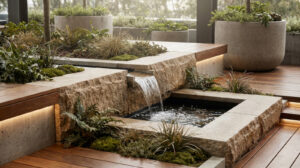
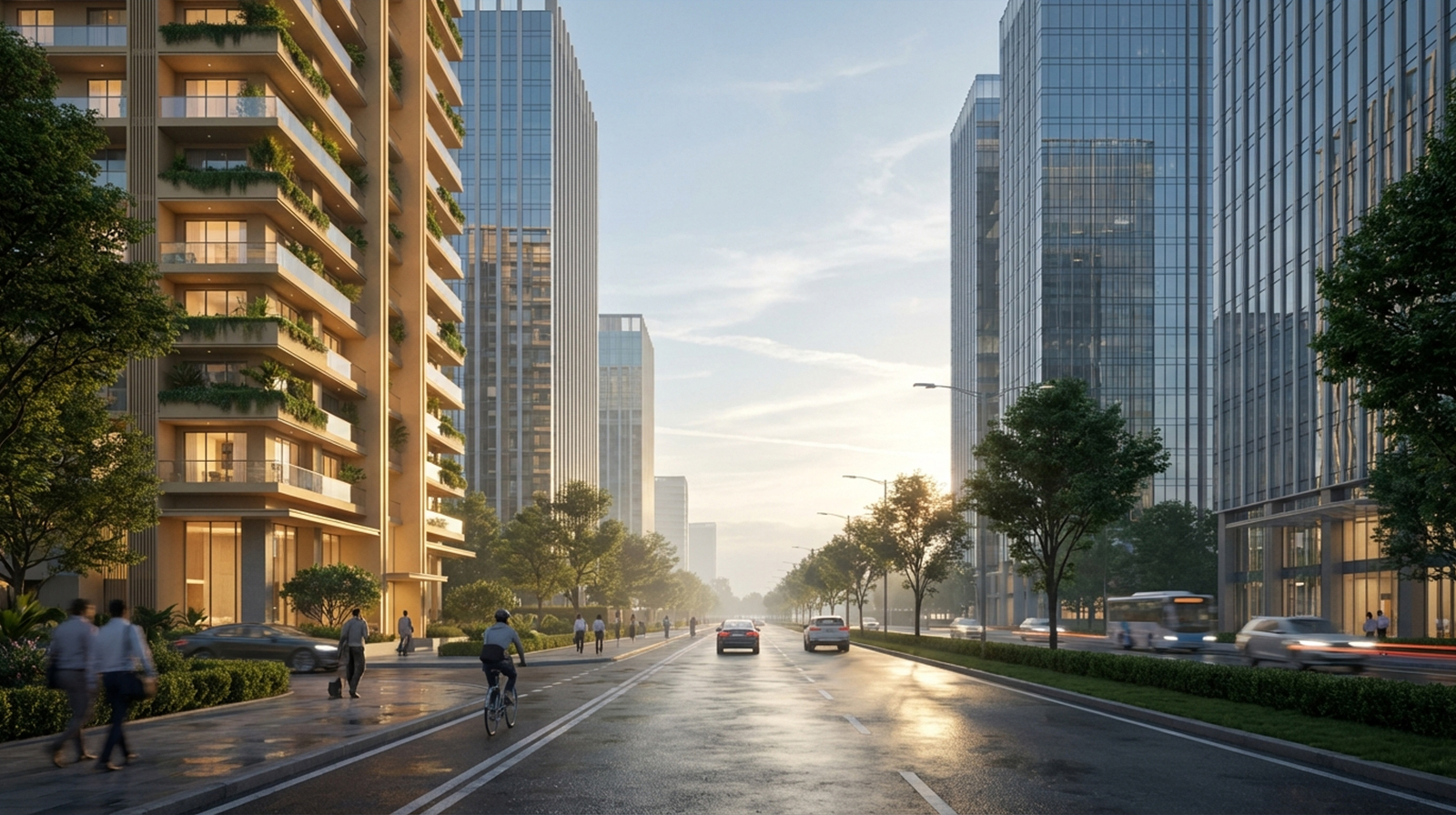
The living experience itself is elevated by biophilic design. Green balconies, natural ventilation, and landscaped surroundings are not add-on Features. They are integrated into the architecture. According to the World Green Building Council, these settings improve both performance and well-being.
Indoor air quality, daylight access, and low-toxicity materials additionally enhance the living environment. The result is a home that feels lighter, healthier, and better aligned with how people want to live today.
Carbon-neutrality here is not an abstract claim. It is built into everyday living.
The ROI of Sustainability: Why Carbon-Neutral Means “Capital Growth”
The conversation around sustainability has moved from ethics to economics. In GIFT City residential ROI, carbon-neutral homes are beginning to show clear financial advantages.
Property values in GIFT City have already risen steadily—from approximately ₹7,000–₹8,500 per sq ft in 2018–19 to ₹11,500–₹14,500 per sq ft by 2024–25. This growth demonstrates the city’s increasing relevance as a financial hub.
Sustainable homes add an additional layer to this trajectory. Lower energy consumption translates into lower operating expenses. Over time, this improves net returns for both homeowners and investors.
Global data support this trend. Green-certified buildings command higher rental premiums and better occupancy rates. In GIFT City, where tenants include global professionals and institutions, this premium becomes even more relevant.
Carbon-neutral homes also comply with ESG mandates, which are progressively influencing investment decisions. As more capital flows into ESG-compliant assets, properties that meet these criteria stand to benefit disproportionately.
Capital growth here is not incidental. It is designed.
The Investor’s Edge: Why “Green” Assets Outperform in 2026
In sustainable housing India 2026, green assets are moving ahead of the curve. The reasons are structural, not temporary.
India’s pledge to net-zero emissions by 2070 is gradually shaping regulations and incentives. Real estate is expected to adhere to stricter efficiency standards over time. Early adoption creates a clear advantage.
Institutional investors are already prioritising ESG-aligned assets. GIFT City, with its international positioning, is directly connected to this shift. Homes that meet sustainability standards are more likely to attract global capital.
Tenant preferences are evolving as well. Professionals today are more conscious of energy use, air quality, and general well-being. This translates into stronger demand for green homes.
There is also a scarcity factor. Truly carbon-neutral residential projects are still limited in India. This creates a premium for early entrants.
Finally, green assets are more resilient. They are better prepared for rising energy costs, regulatory changes, and long-term climate risks.
The GIFT City property appreciation story is already strong. Sustainability adds another dimension—one that grows over time.